Best times to book Shacklewell removals to avoid traffic
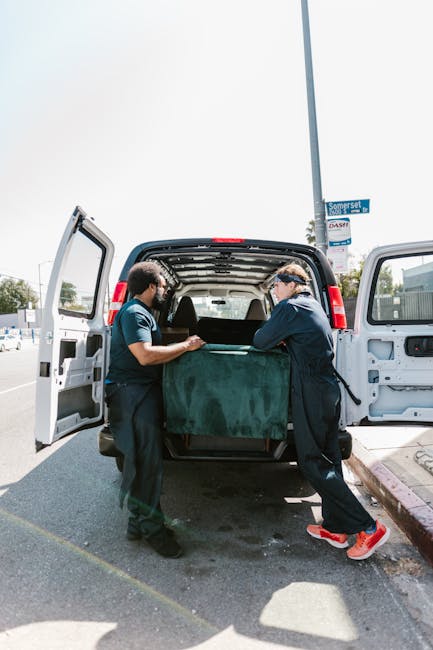
Booking a move in Shacklewell sounds simple until you picture the roads at the wrong time: a bus idling at the kerb, a delivery van squeezing past, and your sofa stuck halfway through a doorway while everyone waits. The best times to book Shacklewell removals to avoid traffic are usually the slots that let you slip around school runs, commuter peaks, and weekend congestion rather than fighting them head-on. In this guide, we'll break down the practical timing choices, why they matter, and how to plan a move that feels calm instead of chaotic.
Truth be told, a well-timed move can save more stress than people expect. It can also make loading safer, reduce delays, and help your removal team work without that rushed, slightly frazzled feeling nobody wants on moving day.
Why Best times to book Shacklewell removals to avoid traffic Matters
Shacklewell sits in a part of London where timing really does make a difference. The local road network can feel tight, with parked cars, regular traffic, busier junctions, and the usual London mix of cyclists, delivery vehicles, and people popping in and out of side streets. Even a move that looks straightforward on paper can turn sluggish if you book it at the wrong time of day.
If you want a move that stays on schedule, it helps to think beyond the moving van itself. Traffic affects arrival time, parking access, how long loading takes, and whether your team can make repeated trips without losing momentum. It also affects your neighbours, which matters more than people think. A noisy, blocked street at 8:30 a.m. is never anyone's favourite start to the day.
There's also a commercial side to it. If you are comparing pricing and quotes or looking at different removal company options, the most efficient time slot can influence how smoothly the job runs. A better slot can mean fewer delays, less waiting time, and a move that feels more controlled. That is especially true if you need a man and van service for a smaller flat move or a more flexible booking.
Expert takeaway: The best moving time is not just the quietest time on the road; it's the quietest time that still works for keys, lifts, parking, and your own schedule.
How Best times to book Shacklewell removals to avoid traffic Works
Avoiding traffic during a Shacklewell move is mostly about matching your booking window to how London actually moves. Commuter peaks are the obvious issue, but there are smaller patterns too: school runs, lunchtime deliveries, Friday afternoon pressure, and weekend shopping traffic. Add in local roadworks or a busier-than-usual stretch near your origin or destination, and the picture changes fast.
In practical terms, the most reliable windows tend to be:
- Early morning starts before the main rush builds up.
- Midweek bookings when roads are usually calmer than on Fridays or Saturdays.
- Late morning to early afternoon slots if your route avoids commuter bottlenecks and you do not need an ultra-early key handover.
That said, there is no universal magic hour. A move from a quiet side street can work well at a different time than a move from a busy main road. And a booking that seems ideal in theory may not be ideal if your building has narrow access, lift restrictions, or a time window for loading. You need the road, the property, and the people to line up. Not glamorous, but there it is.
For many homes, the sweet spot is often a weekday morning, started early enough to beat traffic but not so early that building access becomes a problem. If you are moving out of a flat and into another London property, booking a moving team through a service like home moves or house removals can give you the right level of support for that timing.
Key Benefits and Practical Advantages
Choosing the best time to book is not just about shaving off a few minutes. The gains are broader and, honestly, more noticeable than people expect.
- Less waiting around: your team can get straight on with loading instead of sitting in traffic or circling for access.
- Lower stress levels: fewer delays mean fewer surprises. A move day already has enough of those.
- Safer handling: rushed lifting and repeated stops tend to happen when the schedule gets squeezed.
- Better parking chances: quieter streets make it easier to position a van near the property.
- Improved timing for keys and handovers: this matters if you have a narrow completion window or shared access.
- More predictable costs: efficient routing can help prevent unnecessary overtime or extended waiting.
If you are booking a larger team or a vehicle for bulkier items, the same logic applies. A well-timed slot makes it easier for movers to keep the pace steady and maintain a proper loading rhythm. You can feel the difference. The boxes go on, the blankets stay organised, nobody is hunting for the kettle at the wrong moment.
There is also a psychological benefit. When the van arrives and the street is relatively calm, the whole day starts better. You feel in control. That matters more than a lot of people admit.
Who This Is For and When It Makes Sense
This advice is useful for almost anyone moving in or out of Shacklewell, but it matters most if your move has any of the following features:
- You are moving during the weekday commuter period.
- Your property is on or near a busier road.
- You need roadside parking or loading near the entrance.
- You are moving a full household, not just a few boxes.
- You have a tight key collection or handover window.
- You are managing a business move and cannot afford downtime.
It is especially relevant for people booking man with a van support for smaller moves, as well as those arranging more substantial removals with multiple loads, disassembly, or packing support. Even a modest move can become oddly complicated when traffic, parking, and access all collide at the same time.
If you are relocating an office, the timing question gets sharper. Business districts do not always behave the same way as residential roads, and staff arrivals, service access, and customer footfall can all interfere. In that case, a specialist option such as office removals or office relocation services may be the better fit.
Step-by-Step Guidance
Here is a simple way to choose the best booking time without overthinking it.
- Check both addresses first. Look at the road layout, parking options, and whether either property sits on a busy route.
- Work backwards from your access time. If you do not get keys until 10 a.m., a 7 a.m. start may not help much. This catches people out a lot.
- Aim to avoid commuter peaks. In many London areas, the worst windows are early morning and late afternoon, especially on weekdays.
- Build in a buffer. Add extra time for parking, lift delays, stairs, and last-minute box hunting. Because there is always one box.
- Confirm loading restrictions. Check if your building, estate, or road has any access limitations, timed bays, or permit needs.
- Choose the right service level. A simple van hire may suit a smaller move, while a fuller service might be better for larger households or heavier furniture.
- Book early with clear details. Share the exact addresses, floor level, item list, and any tricky access issues before the day arrives.
That last step is underrated. The more precise you are, the easier it is to match the right vehicle and schedule. If your move involves fragile furniture or awkward items, you may also want packing and unpacking services to keep the day moving without that panicked, last-minute wrap-and-go routine.
Expert Tips for Better Results
A few small adjustments can make a surprisingly big difference. These are the habits that tend to separate a smooth move from a slightly messy one.
1. Book earlier than you think you need to. If your first choice is a weekday morning, ask about the earliest realistic arrival window, not just the nominal slot. Traffic can shift quickly in London, and five or ten minutes can matter.
2. Keep Fridays for a different kind of move. Fridays feel convenient, but they are often busier than people expect. Everyone has errands, deliveries, and weekend plans. That is not ideal if you are trying to keep a van moving steadily through the area.
3. Avoid the school-run overlap if you can. Around local schools, the roads can become unexpectedly tight and stop-start. It is not just congestion either; it is the short pauses, parked cars, and people crossing with bags and bikes. A classic London shuffle, really.
4. Think about your own energy. If you are naturally sharper in the morning, use that to your advantage. A move day can be long, so choosing a time when you are alert helps more than people realise.
5. Do not forget the destination. The best time to leave Shacklewell is not always the best time to arrive elsewhere. Check both ends of the route. A calm start means little if you turn up just as traffic thickens near the new place.
6. Use the right vehicle for the route. If access is tight, a smaller vehicle can be easier to park and manoeuvre than a larger one. For some jobs, removal van options make much more sense than over-specifying the vehicle.
And one honest note: the "perfect" time is often the one that balances traffic, access, and your building's rules. Not every move can be engineered into a quiet little masterpiece. Sometimes the best move is simply the one that avoids the worst of the chaos.
Common Mistakes to Avoid
People tend to make the same few timing mistakes. They are understandable, but still avoidable.
- Booking too late in the day: afternoon traffic can eat into your schedule and leave the job running on fumes.
- Ignoring weekday rush hours: a lot of movers focus on the date and forget the clock.
- Not checking access at both properties: one quiet address and one busy road can still cause a delay.
- Assuming weekend is automatically easier: Saturdays can be busy too, especially near shopping areas and transport links.
- Forgetting building rules: lift bookings, key collection times, and parking permissions all affect your true start time.
- Underestimating loading time: the first boxes are always easy. The awkward last few are not.
Another common one is overpacking the schedule. If you only leave the bare minimum time, traffic turns into a domino effect. A small delay becomes a bigger delay. Then everyone is hurrying, and nobody wants that tone on move day.
If you need help with a more robust plan, a reputable removal services provider can help you shape the booking around the route and the access conditions rather than forcing the other way around.
Tools, Resources and Recommendations
You do not need fancy software to plan a traffic-smart move, but a few simple checks help a lot.
- Route planning: compare the expected route for both collection and delivery addresses, not just the first leg.
- Calendar planning: note key handover times, lift bookings, and school-run windows before you confirm anything.
- Parking prep: think about whether the van can stop close enough to avoid long carries.
- Inventory list: write down large items and awkward pieces so you can estimate loading time properly.
- Weather awareness: rain, ice, or strong wind can slow loading even when the roads look fine.
For many households, the most useful preparation is simply making decisions early. If you know you need help, sort the booking before the calendar gets crowded. Services such as removals near me can be a starting point for people comparing local support, while those moving furniture only may find furniture pick up more suitable.
If the move is substantial, you may also want to compare vehicle options such as a moving van or moving truck, depending on volume and access. Bigger is not always better. In narrow streets, sometimes it is just more awkward.
Law, Compliance, Standards, or Best Practice
For ordinary home removals, there is usually no special legal rule saying you must move at a certain time of day. But there are practical obligations and local best practices you should respect. If you are parking on public roads, loading near restricted bays, or using a shared access point, you should be careful about permissions, obstruction, and any site-specific rules.
In London, this often means checking:
- whether parking restrictions apply during your chosen slot
- whether a loading bay needs to be used within a set period
- whether your building requires advance lift bookings or permits
- whether your move may affect neighbours or shared access routes
If you are arranging a commercial move, best practice becomes more important. Office access, tenant agreements, and business continuity all matter. Booking a service like commercial moves for a quieter window can reduce disruption for staff, clients, and neighbouring businesses.
It is also sensible to check insurance and handling expectations before booking. Responsible providers usually make clear how goods are moved, what support is included, and what you should prepare yourself. That is why pages such as insurance and safety and health and safety policy are worth reading if you want peace of mind. Nothing dramatic. Just good practice, which is often the quiet hero of a decent move.
Options, Methods, or Comparison Table
Here is a simple comparison of common booking windows for a Shacklewell move.
| Booking window | Traffic level | Typical advantages | Possible drawbacks |
|---|---|---|---|
| Early weekday morning | Usually lower | Best chance of smoother road access and parking | May clash with key handover times or very early building access |
| Mid-morning weekday | Moderate | More flexible for handovers and lift bookings | Some commuter and delivery traffic may still be present |
| Late afternoon weekday | Higher | Can suit afternoon completion or office closure times | Heavier traffic, more delays, and more rushed loading |
| Saturday morning | Mixed | Good for people who work weekdays | Weekend activity and shopping traffic can still affect the route |
| Sunday | Often calmer | Usually less commuter pressure | Some buildings, parking rules, or access arrangements may be less convenient |
For many people, the winner is still a weekday morning that avoids the sharp edge of commuter traffic without arriving too early for access. But it depends on your property, your timing, and how much you are moving. The table is a guide, not a law.
Case Study or Real-World Example
Imagine a two-bedroom flat move from a Shacklewell side street to another east London address. The first instinct might be to book an afternoon slot because it feels convenient. Easy enough, right? Except the route passes through busier roads later in the day, the lift at the new building is only available until early afternoon, and the old property has awkward parking after school pick-up starts.
In a case like that, a mid-to-early weekday morning booking often works better. The van can arrive before the roads build up, loading begins while the street is still relatively calm, and the team can reach the new address before afternoon congestion gets worse. The move still takes effort - it always does - but it feels orderly rather than rushed.
Another example: a small student move with just a few boxes, a desk, and a mattress. That may suit a man and van removals booking on a quiet morning, especially if the destination is nearby. A compact move at the right time can be wonderfully simple. Boxes in, doors shut, done. Lovely when it happens.
Practical Checklist
Use this checklist before you confirm your booking.
- Check traffic patterns for both addresses.
- Avoid rush-hour windows where possible.
- Confirm keys, lift access, and loading permissions.
- Choose the right vehicle size for the job.
- Make sure packing is finished before the van arrives.
- Set aside a buffer for delays and parking.
- Share any stairs, narrow entrances, or awkward access points.
- Keep essentials separate so they are not buried in the load.
- Review service details, insurance, and booking terms in advance.
- Leave yourself a little breathing room. Honestly, it helps.
If you want extra reassurance, you can also read the company's terms and conditions and payment and security pages before finalising anything. That kind of admin is never thrilling, but it avoids awkward questions later.
Conclusion
The best times to book Shacklewell removals to avoid traffic are usually the quieter weekday windows, especially early enough to get ahead of commuter build-up but not so early that access becomes a problem. The right booking time can make a move calmer, safer, and more predictable, which is exactly what most people want on an already busy day.
There is no single perfect slot for every move. The answer depends on your route, your property, your access, and the type of service you need. But if you plan with traffic in mind, you give yourself a much better chance of a smooth move and a much smaller headache. And that, to be fair, is the whole point.
Get a free quote today and see how much you can save.
Frequently Asked Questions
What is the best time of day to book removals in Shacklewell?
In many cases, early weekday morning is the safest choice because it often avoids the worst of commuter traffic. That said, the best slot also depends on when you can get keys and whether your building has access restrictions.
Is Saturday a good day for a Shacklewell move?
It can be, especially if you work weekdays, but Saturdays are not always quiet. Shopping traffic, errands, and local activity can still slow things down. If you can move midweek, that is often easier.
Should I avoid Friday removals?
Often, yes. Fridays can be busier than expected because people are finishing work, doing errands, or travelling for the weekend. If Friday is your only option, book as early as possible.
How early should I book my removal company?
As early as you reasonably can, especially if you want a specific time slot. Early booking gives you more choice and helps you align the move with key handover times, parking, and traffic patterns.
Do smaller moves need the same planning as big house moves?
They do, just on a smaller scale. A few boxes can still become a headache if the road is busy or parking is awkward. Smaller moves simply give you more flexibility.
What if my new property has limited access times?
Then your access window becomes the priority. You may need to balance quieter roads against building rules, lift bookings, or landlord requirements. A calm road is helpful, but access comes first.
Does traffic really affect the total cost of a move?
It can, indirectly. Delays may increase the time required, especially if the crew has to wait, reroute, or work around access problems. Booking a better time can help keep the day efficient.
Is a man and van service better for avoiding traffic delays?
Not automatically, but it can be more flexible for smaller moves. A man with van removal setup may be easier to position on narrow roads than a larger vehicle, depending on your route and load size.
Should I use packing services if I book an early slot?
If you want an early start, yes, packing help can make a big difference. It reduces the chance of last-minute delays and means the team can load straight away. That keeps the day flowing.
What is the main mistake people make when booking removals in London?
The biggest mistake is often focusing on convenience without thinking about traffic, parking, and access. A slot that seems fine on the calendar can become stressful in real life if it lands in the middle of a busy road pattern.
Can I plan a move around office hours if I work from home?
You can, but remember that mid-morning and lunchtime traffic can still be awkward in some parts of London. If you need flexibility, speak to the team early and look at the route rather than just the clock.
What should I check before confirming the booking?
Check the route, access at both addresses, parking rules, the size of the vehicle, and the service details. If you are comparing options, looking through about us can also help you understand the company a bit better before you commit.
What if I only need furniture moved?
Then a lighter-touch service may be enough. Something like furniture pick up can be more appropriate than a full house move, especially if the timing is the main concern.
How do I know if I need a bigger vehicle?
If you have bulky furniture, lots of boxes, or a long carry from the van to the property, a larger vehicle may make the move easier. If access is tight, though, a smaller van can sometimes be the smarter choice. It depends on the street as much as the load.
What is the safest way to keep a move on schedule?
Book a sensible time, finish packing early, share accurate access details, and leave a buffer for delays. That combination does more than any last-minute rush ever will.