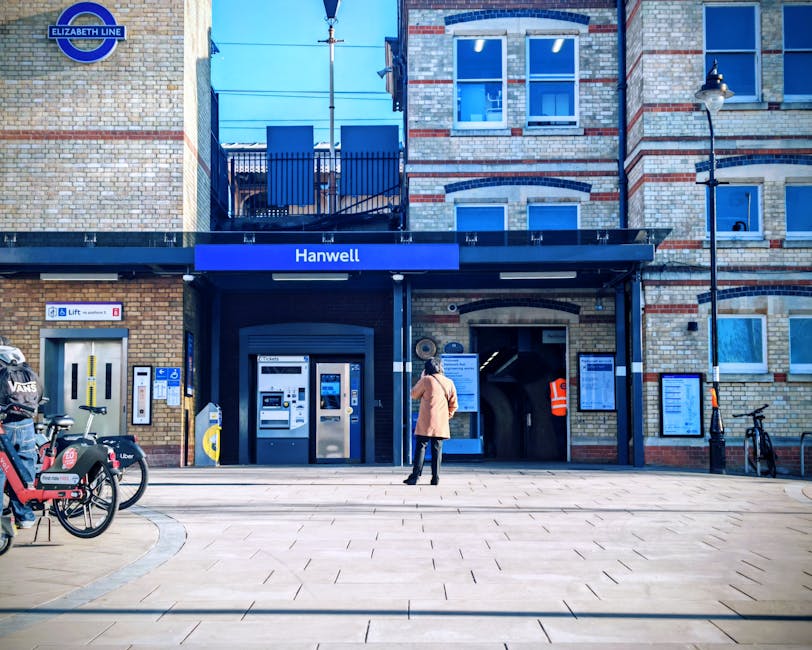
Shacklewell station pickup tips for man with van crews
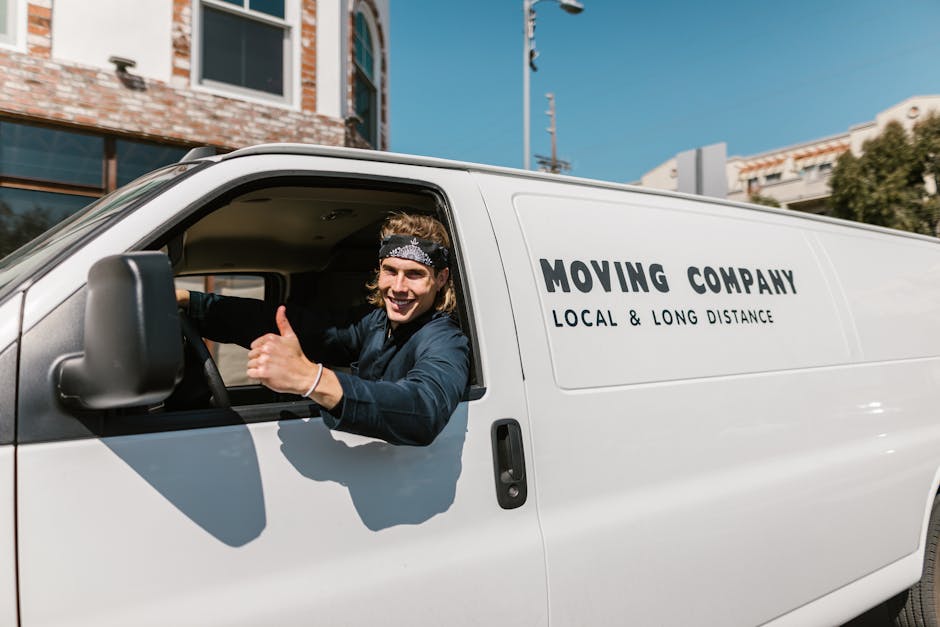
If you are arranging a station-side collection in east London, the small details matter more than people expect. Shacklewell station pickup tips for man with van crews are really about timing, access, parking, and communication - the stuff that keeps a straightforward job from turning into a stressful one. Whether it is a flat move, a furniture collection, or a quick same-day load-up, a good pickup near Shacklewell works best when the crew knows the ground, the likely pinch points, and what the customer has already prepared.
To be fair, station pickups can look simple on paper. The van arrives, the items go in, everyone heads off. In real life, there may be a tight street, a loading gap, a lift that is acting up, or a customer with one box too many and a shopping trolley that has seen better days. This guide walks through how it works, what makes it smoother, and how to avoid the little mistakes that waste time and patience. If you want the practical version, you are in the right place.
For crews offering wider removal support, it can also help to understand the service mix around man with van jobs, removal services, and smaller local moves such as furniture pick up.
Why Shacklewell station pickup tips for man with van crews Matters
Station pickups around Shacklewell are rarely about the station alone. They usually involve a wider local pattern: narrow roads, busy kerb space, pedestrians moving quickly, buses stopping and starting, and customers trying to coordinate multiple people at once. If the crew treats the pickup like a generic job anywhere in London, it can quickly get messy. If they plan it like a local job, it tends to run calmly and cost less in lost time.
There is also the simple fact that a man with van crew often works on a tight timetable. One delayed pickup can push the rest of the day off course. A van waiting outside the wrong entrance, a customer standing on the wrong side of the road, or a piece of furniture not packed properly can all add minutes. Minutes matter. Especially when the road space is limited and everyone is in a hurry.
In our experience, the best station pickups are the ones where the crew and customer have already agreed on the basics: exact meeting point, item count, access route, and what happens if the driver cannot stop directly outside. That sounds obvious, but let's face it, obvious things are the ones people skip.
Expert summary: the smoother the pickup plan, the less time is spent waiting, walking back and forth, or reworking the load. Around Shacklewell, that usually means clear instructions, realistic timing, and a backup plan for curb access.
How Shacklewell station pickup tips for man with van crews Works
A station pickup is basically a coordinated handover. The customer arrives with items ready to go, the crew positions the van safely and legally, and the load is transferred with as few steps as possible. Simple enough. The part that makes it work well is the choreography.
Here is what a well-run Shacklewell pickup usually looks like:
- The customer confirms the pickup point in advance, ideally with a landmark or door number.
- The crew checks whether the van can stop close enough for safe loading.
- Any bulky or awkward items are identified before arrival.
- The load order is planned so the heaviest or most fragile pieces are handled first, not last.
- The driver keeps an eye on traffic flow and avoids blocking access for too long.
In a station context, timing can be just as important as physical access. Trains, bikes, foot traffic, and taxis can all create a little pressure around the kerb. That is why crews often prefer a clear arrival window rather than a vague "sometime in the afternoon" arrangement. A 10-minute delay may not sound like much, but on a busy street it can be the difference between an easy load and a rushed one.
If the job is part of a bigger move, the pickup may link naturally into a fuller service such as man and van removals or even a more complete house removals package. That is useful when the station collection is only one part of the day's work.
Key Benefits and Practical Advantages
A good pickup plan does more than save time. It improves the whole move. The strongest benefits are often practical rather than flashy, but they are the ones you feel on the day.
- Less waiting around: no long handover delays while everyone figures out where to meet.
- Lower risk of damage: shorter carrying distances usually mean fewer knocks and fewer near-misses.
- Better use of labour: two people lifting once is better than two people lifting twice because the van had to move.
- Cleaner customer experience: the job feels organised, which reduces stress for everyone.
- More predictable pricing: fewer surprises often means fewer add-on charges or awkward extensions.
There is a quieter advantage too: confidence. When the route, meeting point, and items are clear, the crew can stay focused. You can hear the difference in how a job sounds, if that makes sense - less calling back and forth, less "hang on a sec," more steady progress. Small thing, but it counts.
For crews that handle mixed loads, sorting the right vehicle matters as well. A compact removal van may be ideal for tighter access, while a larger moving van can suit heavier or multi-item pickups. Matching the van to the job is one of those unglamorous decisions that saves the day.
Who This Is For and When It Makes Sense
This kind of pickup planning is useful for a lot of people, not just full-scale movers. In fact, some of the most common station-side jobs are fairly modest. A sofa collection. A student move. A flat-share clear-out. A marketplace purchase that is too awkward for a car. A small office item headed across town.
It makes sense when:
- you need a same-day or short-notice collection;
- you are meeting the crew near a station because that is the easiest shared reference point;
- the item or load is too bulky for public transport or a taxi;
- you want help with lifting, loading, and safe transport;
- you are combining the pickup with a local drop-off or home move.
It is also a smart option if you do not want to spend your Saturday trying to borrow a friend's car that is, frankly, the wrong shape for a wardrobe. We have all seen that plan. It is not a plan. It is optimism with rear seats folded down.
For smaller, lighter jobs, a man and van option can be enough. For more formal moves, you may want to look at home moves or commercial moves if the pickup is business-related.
Step-by-Step Guidance
If you want the pickup to run smoothly, use this simple process. It is not fancy, but it works.
- Confirm the exact meeting point. Do not rely on "outside the station" alone. Pick a side of the road, a landmark, a gate, or a clear road name.
- List the items properly. A quick text saying "two suitcases and a desk" is better than "a few bits." The crew can only plan around what they know.
- Check access details. Stairs, lifts, narrow hallways, parking restrictions, and anything unusually heavy should be mentioned early.
- Agree the timing window. Build in a little buffer. Trains run late, people get held up, and traffic does its own thing.
- Prepare items before the van arrives. Box small parts together, remove loose shelves, tape drawers shut, and keep documents or valuables separate.
- Keep the handover short. Once the crew arrives, the goal is to load promptly. A long chat on the pavement slows everyone down.
- Check the final load before departure. It is easier to fix a missing item at the kerb than after the van has rolled away.
One little habit that helps: take a photo of anything awkward or valuable before collection. Not because you expect a problem, just because it gives everyone a clear reference point. Simple, quick, done.
Expert Tips for Better Results
Here is where the job goes from "fine" to "smooth." These are the details local crews tend to remember.
1) Choose a meeting point with space, not just convenience
A spot that is technically close to the station but impossible to stop at is not actually convenient. Better to agree a slightly calmer road nearby than gamble on kerb space right at the busiest corner.
2) Keep fragile items out of the last-minute pile
If a mirror, monitor, or lamp is still being wrapped while the van is waiting, the mood changes fast. Fragile pieces should be ready first. That way the crew can load them carefully instead of rushing them in with everything else.
3) Use a short item list with priorities
Not every item needs a full inventory, but the crew should know what is heavy, fragile, awkward, or high value. A quick ranking such as "first out, second out, low priority" helps more than a huge paragraph.
4) Think in terms of carry distance
Sometimes the real issue is not loading but walking. A job that involves carrying boxes from a third-floor flat to a van two streets away is a different animal from a curbside pickup. That affects timing, crew size, and the right vehicle.
5) Have a wet-weather plan
London weather can be one of those mildly annoying plot twists. A few spare bags, a blanket, or a tarp can stop cardboard edges from getting soggy if the weather turns while you are loading. Nothing dramatic - just sensible.
And yes, good crews often keep a few emergency bits on board. We are talking straps, blankets, basic wrapping, maybe a dolly if the day is being extra. Not glamorous, but very useful.
Common Mistakes to Avoid
Most delays at pickups come from a handful of repeat problems. Avoid these and you will be ahead of the game.
- Vague instructions: "near the station" is not enough when traffic is moving and parking is tight.
- Underestimating loading time: even a small job can take longer if the items are awkward or access is tricky.
- Not warning about stairs or lifts: this is a classic. The crew arrives expecting level access, then discovers three flights and a narrow turn.
- Packing loosely: open bags, loose screws, and unwrapped surfaces create problems inside the van.
- Leaving the van waiting while you sort the rest: fair enough, people run late. But if the whole job depends on a tidy handover, the prep has to happen before arrival.
- Ignoring loading restrictions: stopping in the wrong place can create pressure, and that never helps anyone.
Another sneaky one: assuming the driver will "just know" the best place to stop. Sometimes they do. Sometimes they do not. Better to tell them the exact side of the road or closest landmark and save the guessing.
Tools, Resources and Recommendations
You do not need a van full of specialist kit for every station pickup, but the right basics make the day easier.
| Tool or item | Why it helps | Best used for |
|---|---|---|
| Furniture blankets | Helps protect edges and finishes during transit | Tables, cabinets, and painted surfaces |
| Ratchet straps | Keeps larger pieces stable in the van | Wardrobes, white goods, boxed loads |
| Bubble wrap or paper | Protects delicate corners and glass | Mirrors, lamps, framed items |
| Tape and marker | Makes small parts and labels easier to manage | Flat-pack furniture, mixed boxes |
| Gloves and trolley | Improves grip and makes lifting safer | Heavy boxes, awkward items, longer carries |
On the planning side, useful resources are often the boring ones: your booking confirmation, access notes, photographs of the items, and clear instructions about where the handover happens. If the job is a bigger move, the crew may also benefit from packing support via packing and unpacking services or a more structured removal setup through removal company services.
For pricing clarity, it is sensible to review pricing and quotes early so there are no awkward surprises later. Clear numbers help everyone breathe a bit easier, truth be told.
Law, Compliance, Standards, or Best Practice
Station pickups in London sit within the usual mix of road safety, parking rules, and common-sense moving practice. You do not need to be a legal expert to get this right, but you do need to respect the basics: safe loading, responsible parking, and care around pedestrians and other road users.
In practical terms, that means:
- not blocking access or creating unsafe conditions while loading;
- checking local parking or stopping restrictions before arrival where relevant;
- making sure items are loaded securely so they do not shift in transit;
- using suitable lifting methods to reduce injury risk;
- being honest about access so the crew can plan properly.
For customers and crews alike, there is also a trust element. A professional operator should be able to explain how they handle safety, insurance, and damage prevention. If that matters to you - and it should - then reviewing insurance and safety information is a sensible step before booking. If health and site conduct are on your mind, the health and safety policy is there for a reason.
For disposal or clearance jobs, keep an eye on waste handling too. Not every pickup involves rubbish, but if it does, it should be dealt with properly. That is where local best practice matters, and it is why good crews stay careful about what they carry and where it ends up.
Options, Methods, or Comparison Table
Not every pickup needs the same approach. The right method depends on the amount of stuff, the access, and how much help you want on the day.
| Method | Best for | Pros | Trade-offs |
|---|---|---|---|
| Quick curbside pickup | Small, ready-to-go loads | Fast, simple, usually lower effort | Depends heavily on parking and timing |
| Man and van collection | Mixed items, light to medium loads | Flexible, good for local moves, loading help included | May need more prep from the customer |
| Full removal service | Larger home or office moves | More support, better for complex jobs | Costs more and needs more coordination |
| Self-managed hire | Experienced movers with time and labour | Potentially cheaper on paper | Higher risk of stress, damage, and delays |
For many Shacklewell station pickups, the middle option is the sweet spot. It gives you enough help to stay efficient without overcomplicating the job. If the move expands beyond the original pickup, a more complete man with van removal may fit better.
Case Study or Real-World Example
A fairly typical local scenario goes like this. A customer needs a station pickup after collecting a compact sofa, a box of kitchen bits, and two suitcases. The handover point is close to Shacklewell, but the street is narrow and one side is already busy. The first plan is to stop directly outside the address. That would have been ideal, except it is not really possible without causing a small queue and a few irritated looks.
So the crew adjusts. They agree to meet one road over, where there is a little more breathing room. The customer is asked to have the sofa wrapped and the smaller boxes grouped together. The van arrives, loading takes place in one clean sequence, and the crew avoids an unnecessary second trip to fetch a forgotten lamp. Nothing dramatic happened. That is exactly the point.
Now imagine the same job with vague instructions, no item list, and the van circling while the customer tries to find the right pavement. Different story. More stress, more time, and probably a heavier sigh or two.
These are the sorts of local jobs where experience shows. Not because anything magical is happening, but because someone has already thought through the awkward bits before the day starts.
Practical Checklist
Use this checklist before the pickup. It is simple, but it catches the usual problems.
- Have I confirmed the exact pickup point and nearest landmark?
- Have I told the crew about stairs, lifts, access codes, or tight hallways?
- Are all items boxed, wrapped, or at least ready to move?
- Do I know which items are fragile, heavy, or high value?
- Have I checked whether the van can stop safely nearby?
- Have I allowed a realistic time window for loading?
- Are loose parts, cables, and screws bagged and labelled?
- Do I have payment details or booking confirmation ready?
- Have I mentioned any special handling needs?
- Do I have a backup plan if the meeting spot is busy?
Quick reminder: if you can answer yes to most of those, the pickup is probably in good shape.
One more small thing. Put your phone on loud. You would be surprised how often the only thing slowing a job is a missed call from the driver standing thirty seconds away.
Conclusion
Shacklewell station pickup tips for man with van crews come down to calm planning, realistic timing, and clear communication. The best pickups are rarely the most dramatic ones. They are the ones where the van arrives, the load is ready, and everyone understands the access situation before the first box moves.
If you remember only one thing, make it this: the closer you get to precision, the smoother the pickup will feel. Exact meeting point, clear item list, sensible timing, and a backup plan for access. That is the whole game, really.
And if the job is bigger than expected, or you want extra help with packing, loading, or a fuller move, there is no harm in choosing a more complete service path. A little structure goes a long way, especially in a busy local area where the road space disappears fast.
Get a free quote today and see how much you can save.
Frequently Asked Questions
What should I tell a man with van crew before a Shacklewell station pickup?
Give the exact meeting point, a short item list, access details, and any special handling notes. If the van cannot stop right outside, say so early. That one detail alone can save a lot of hassle.
How early should I book a station pickup in Shacklewell?
As early as you reasonably can, especially if you need a specific time window or have a same-day request. Local jobs can sometimes be arranged quickly, but booking ahead usually gives you better choice and less pressure.
What if the van cannot park directly outside?
That happens quite often in London. The best answer is to agree a nearby fallback point with enough space to load safely. A short walk is normally fine if everyone knows about it in advance.
Is a man with van service suitable for just one or two items?
Yes, absolutely. It is often a good fit for one bulky item, a few boxes, or a small furniture collection. It saves you trying to move awkward pieces yourself, which is honestly half the battle.
How do I avoid delays on the day?
Prepare items before the van arrives, keep instructions clear, and avoid last-minute changes where possible. A few minutes of organisation before the pickup can save much longer on the kerb.
Can station pickups include fragile items?
Yes, but they should be wrapped and identified before loading. Tell the crew in advance if there is glass, electronics, mirrors, or anything else that needs careful handling.
What is the difference between a man and van and a full removal service?
A man and van job is usually more flexible and suited to smaller or medium-sized loads. A full removal service is better for larger, more complex moves that need more planning and labour.
Do I need to pack everything in boxes?
Not everything, but loose items should be grouped securely wherever possible. Boxes make loading faster and safer, while odd-shaped items often need wrapping or padding to prevent damage.
Are there any compliance issues I should think about?
Yes. Safe loading, sensible parking, and clear access arrangements all matter. If the pickup involves larger moves or commercial items, it is worth checking the operator's safety and insurance information too.
How can I tell if my pickup will need extra time?
If there are stairs, lift issues, narrow access, bulky furniture, or a long carry distance, you should assume it will take longer than a simple kerbside handover. When in doubt, add a little buffer.
Can I combine a station pickup with a wider move?
Definitely. Many local jobs start with a pickup and then roll into a flat move, a furniture drop-off, or even a small office relocation. It is often more efficient than splitting the work into separate bookings.
What is the most common mistake people make with station pickups?
Being too vague. "Near the station" sounds easy, but it is not enough in a busy area. The crew needs a clear meeting point, a realistic time, and enough detail to load without guessing.
When the basics are handled well, the rest tends to fall into place. That is usually how the best local moves feel - steady, unhurried, and surprisingly simple once the first box is in the van.