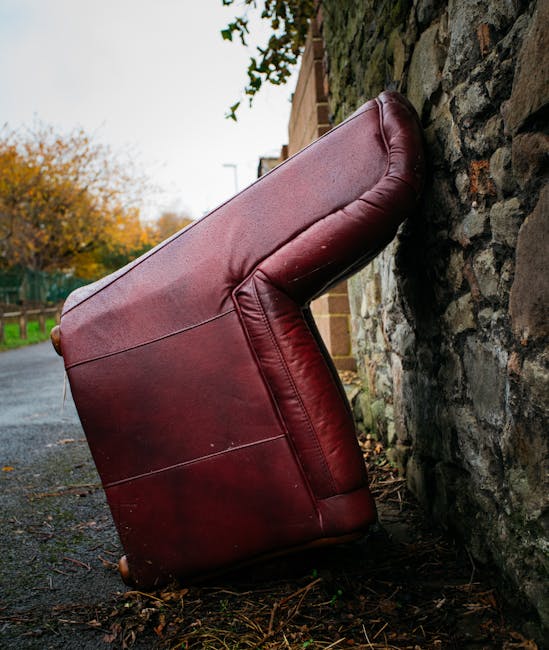
Bulky waste and sofa disposal in Shacklewell
Posted on 06/05/2026
Bulky waste and sofa disposal in Shacklewell: a practical local guide
Old sofas are awkward in the best of times. Add tight hallways, stairs, parking pressure, and a busy London schedule, and bulky waste disposal can quickly become one of those jobs you keep putting off. This guide on Bulky waste and sofa disposal in Shacklewell is here to make the whole thing feel a lot less messy. Whether you are clearing out a flat, replacing a tired three-seater, or getting a property ready for new tenants, the aim is the same: remove the item safely, legally, and without turning your week upside down.
Truth be told, sofa disposal looks simple until you try to move one through a narrow landing at 7pm. That is where good planning matters. Below, you will find clear steps, sensible options, common mistakes, and a few local-minded recommendations that help you decide whether to do it yourself or bring in help through a service such as furniture removals in Shacklewell or a broader removal service in Shacklewell.

Why Bulky waste and sofa disposal in Shacklewell Matters
Bulky waste is not just "big rubbish". It usually means items that are too large, heavy, or awkward for normal household waste collection. Sofas, armchairs, sofa beds, corner units, and modular settees are classic examples. They can be difficult to carry, risky to lift, and often impossible to fit neatly into a standard bin system. In a dense area like Shacklewell, that creates practical problems fast.
There is also the visual side of it. A sofa left in a hallway or on a pavement can block access, look untidy, and cause headaches for neighbours, landlords, and building managers. Let's face it, nobody wants a sofa sitting outside "just for a day" and then becoming a three-day ordeal. Good disposal keeps the property usable, keeps shared spaces clear, and reduces the chance of damage or complaints.
For people moving home, sofa disposal often links to a bigger sort-out. You may be downsizing, upgrading, or changing a flat layout. In that case, disposal is part of a wider process that may also involve packing, lifting, cleaning, and temporary storage. That is why pages like decluttering before moving and move-out cleaning advice can be genuinely useful alongside sofa disposal planning.
Expert summary: If the item is large, heavy, awkward, or likely to damage walls, floors, or your back, treat it as a planned move rather than a quick lift-and-go job.
How Bulky waste and sofa disposal in Shacklewell Works
The exact route depends on the sofa, the building, and how quickly you need it gone. In practice, there are four common routes: self-disposal, arranging a collection, using a man and van style removal, or booking a more complete clearance service. Each one has a different balance of effort, cost, speed, and convenience.
A sofa disposal job usually starts with a simple assessment. Is the sofa still usable? Is it easy to dismantle? Does it need two people or four? Will it fit through the stairs, the lift, the front door, or the van? Those questions sound basic, but they decide whether the day goes smoothly or ends with scratched walls and a slightly defeated expression.
If you are already moving house or flat, sofa disposal can often be folded into the same trip. That is where services such as man with a van in Shacklewell, man and van support, or same-day removals in Shacklewell can save a lot of back-and-forth. You get the sofa out, the space cleared, and one less thing on the list.
What usually happens during collection
- The item is checked for size, access, and lifting difficulty.
- Any cushions, feet, or detachable parts are removed first.
- Protective wrapping may be used to reduce damage in the property.
- The team plans the safest route out of the room or building.
- The sofa is loaded for onward disposal, reuse, donation, or recycling where appropriate.
That last point matters. Not every sofa should be treated as waste first. If it is clean and usable, reuse may be possible. If it is damaged, tired, or no longer safe, then disposal becomes the better option. A sensible provider will look at that with a practical eye, not a lazy one.
Key Benefits and Practical Advantages
There is a real difference between "getting rid of a sofa" and doing it properly. The proper approach saves time, reduces hassle, and often prevents extra costs later. It can also protect the property itself, which matters more than people realise until they see a scraped wall or cracked stair trim.
Here are the main advantages:
- Less physical strain: Sofas are bulky, uneven, and awkward. Proper handling reduces the chance of injury.
- Fewer property marks: A planned move protects hallways, doors, and flooring.
- Cleaner handover: Useful if you are ending a tenancy or preparing a property for sale.
- Better time control: One booked collection is usually simpler than several improvised trips.
- More sensible disposal: Reuse, recycling, or responsible waste handling is easier to manage.
There is also peace of mind. That sounds a bit soft, maybe, but it matters. Once the sofa is gone, the room feels different. Bigger. Airier. Less cluttered. You can hear your own footsteps again. Small thing, but very real.
If you are also clearing other furniture at the same time, a service such as removals in Shacklewell or the full service overview may be more efficient than arranging separate collection jobs for each item.
Who This Is For and When It Makes Sense
This kind of disposal is not just for people with a broken sofa. It is useful for anyone facing a large item that no longer belongs in the home or workplace.
Typical situations include:
- Tenants moving out and needing the property cleared quickly.
- Homeowners refurbishing and replacing older furniture.
- Landlords or letting agents dealing with abandoned or outdated furniture.
- Students leaving shared accommodation and needing quick clearance, especially where a flat is being reset for the next occupants.
- Families downsizing and deciding that the old sofa simply does not fit the new place.
If the sofa is part of a flat move, you may also find that flat removals in Shacklewell or house removals in Shacklewell gives you a neater, joined-up plan. And if you are a student or furnishing a small space, a quick call to student removals in Shacklewell may be more practical than trying to muscle everything through yourself at midnight. Nobody enjoys that, truly.
Step-by-Step Guidance
A calm process is the best process. Here is a simple, realistic way to approach bulky waste and sofa disposal without making things harder than they need to be.
- Identify the item clearly. Measure the sofa, check whether it is one piece or modular, and note any loose parts.
- Check access. Look at stairs, corners, door widths, lifts, and parking. A sofa that fits in the room may still be a nightmare in the hallway.
- Decide whether reuse is possible. If the sofa is clean and structurally sound, it may be suitable for another home. If not, plan disposal.
- Prepare the sofa. Remove cushions, throws, and anything stuck underneath. Bag loose hardware if the legs are detachable.
- Protect the property. Use blankets, cardboard, or floor protection where needed. This is where careful handling pays off.
- Arrange the right transport. A van or removal vehicle is usually safer than trying to fit a sofa into a car that clearly does not want the job.
- Lift correctly. Keep the load close, bend the knees, and do not twist. If the item feels too heavy or too large, stop.
- Confirm the disposal route. Make sure the sofa will be handled responsibly after collection.
If the sofa is difficult to manoeuvre, it is worth reading practical guidance like lifting large loads safely and why DIY transport can go wrong. A sofa is not a piano, obviously, but the lesson is similar: awkward shapes punish overconfidence.
A simple homeowner scenario
Imagine a two-bedroom flat off a busy road in Shacklewell. The old sofa bed has to come out before a repaint, the lift is small, and parking is tight in the afternoon. A rushed attempt would likely mean dragging, scraping, and two people silently regretting their choices. A measured approach - measuring first, booking the right help, and clearing the route - usually gets the job done in one clean move. Nice and boring. Exactly what you want.
Expert Tips for Better Results
Small decisions make a big difference with bulky items. The following tips are the sort that save time on the day, not just in theory.
- Measure twice, move once. Room dimensions matter, but stair turns and door frames matter more.
- Take photos before you move anything. Useful if you need to explain access or show the sofa condition.
- Remove the easy parts first. Cushions, legs, and detachable arms lighten the load a surprising amount.
- Choose the quietest time possible. Early or mid-morning can make parking and access easier than late afternoon.
- Think about the next step. If the room needs cleaning or the space is being re-used, plan that now rather than after the sofa is halfway out the door.
For larger furniture jobs, it also helps to think in sequences. Sofa out first, then carpets protected, then any packing or cleaning, then the final handover. That kind of flow is discussed in more detail in packing efficiency tips and stress-free moving advice. Both are useful if the sofa is only one piece of a bigger shift.
And a tiny practical aside: tape, dust, and loose crumbs love to appear when you move furniture. They show up like uninvited relatives. A quick vacuum before and after makes a surprising difference.

Common Mistakes to Avoid
Most sofa disposal problems come from rushing. Not from bad luck. Rushing.
- Underestimating weight and bulk: Sofas often feel lighter in the room than they do on the stairs.
- Forgetting about access: The sofa may fit the room but not the corridor bend.
- Skipping protection: Walls, bannisters, and flooring can take a hit very quickly.
- Trying to do it alone: This is one of the quickest routes to injury or damage.
- Leaving disposal too late: Last-minute arrangements often mean less choice and more stress.
- Not checking the sofa's condition first: You may waste time planning around an item that could have been dismantled easily.
A common one, too, is assuming "someone will sort the rest out later." Later has a way of becoming never. Better to plan the full path from the room to the final destination, even if that destination is simply responsible removal through a service such as a removal van in Shacklewell.
Tools, Resources and Recommendations
You do not need a warehouse of equipment, but a few basic tools make the job far safer and neater. For most sofa disposal tasks, these are the sensible essentials:
- Work gloves for grip and hand protection.
- Strong lifting straps or a two-person carry plan if the item is heavy.
- Protective blankets or wraps to avoid wall and door damage.
- Furniture sliders for short movements on suitable flooring.
- Basic tools such as a screwdriver or Allen key for detachable legs and brackets.
- Tape and bags to keep small parts together.
For residents who are already in moving mode, combining furniture disposal with a few support services can be a lot easier. Useful related pages include packing and boxes in Shacklewell for organising belongings, storage in Shacklewell if you need to hold items temporarily, and about us if you want to understand the team behind the service first. That sort of reassurance matters when you are handing over bulky household items.
If the sofa is valuable, unusual, or especially heavy, it may be worth checking whether a more specialised move is sensible. General guidance on furniture removals in Shacklewell can help you choose the right level of support without overbuying a service you do not need.
Law, Compliance, Standards, and Best Practice
For sofa disposal, the big principle is simple: do not dump waste illegally, and do not hand items to anyone who is not properly handling them. In the UK, householders still have a responsibility to make sure waste is passed to a legitimate carrier or disposal route. If a sofa is left on a street, in a communal hallway, or beside a bin area without permission, it can create problems for everyone involved.
Best practice is to use a provider that can explain how the item will be handled, whether it will be reused, recycled, or disposed of responsibly. If a team cannot explain that in plain English, that is not a great sign. You do not need drama; you need clarity.
It is also wise to consider health and safety when dealing with large furniture. Manual handling should be sensible, the route should be clear, and the team should not overreach. If you want to understand how a provider approaches safety, insurance, and customer care, the pages on health and safety policy and insurance and safety are worth a look. They do not make a sofa lighter, sadly, but they do add confidence.
For residents who value environmentally responsible handling, recycling and sustainability is a sensible next stop. Not every item can be reused, but a thoughtful route should always consider the cleaner option where possible.
Options, Methods, and Comparison Table
Different disposal methods suit different situations. This table gives a quick, plain-English comparison.
| Method | Best for | Pros | Watch-outs |
|---|---|---|---|
| Self-disposal | Very small, manageable items and people with transport | Simple if you already have access to a suitable vehicle | Heavy lifting, parking issues, and extra time on your side |
| Man and van collection | Single sofas or a few bulky items | Flexible, practical, often easier for local jobs | Still needs clear access and basic preparation |
| Full removal service | Multiple items, tight deadlines, or property clearances | More organised and less stressful | May cost more than a simple one-item collection |
| Temporary storage first | People not ready to decide immediately | Buys time for sorting, selling, or staging a property | Not a disposal solution on its own |
Choosing the right route depends on urgency, item condition, access, and whether you are moving other belongings too. If the sofa is part of a wider clear-out, it is often more efficient to bundle it with a service already handling other furniture or household items.
Case Study or Real-World Example
Here is a straightforward, realistic example. A couple in Shacklewell are moving from a first-floor flat to a smaller place nearby. Their old corner sofa has seen better days: one cushion sags, the fabric has minor wear, and the item is too large for the new living room. They do not want to leave it until the last minute because the move-out date is fixed and the hallway is narrow.
Instead of trying to improvise, they measure the sofa, clear the route, and arrange help through a local man with a van service. They remove the feet, bag the bolts, and protect the wall edges before the move. The sofa leaves first, then the rest of the room is cleaned properly. It is not glamorous, but it works. No damage, no panic, no awkward "can we get it round the corner?" moment.
What made the difference was not brute force. It was planning. That is usually the secret with bulky waste. The better the prep, the less the job behaves like a problem.
Practical Checklist
Use this checklist before disposal day. It is simple, but it catches most of the things people forget.
- Measure the sofa and note any detachable parts.
- Check stairways, doorways, hall bends, and parking access.
- Decide whether the sofa can be reused, donated, moved, or disposed of.
- Remove cushions, legs, and loose fittings.
- Protect floors, corners, and walls before lifting.
- Wear gloves and use sensible footwear.
- Have at least one helper if the item is heavy or awkward.
- Confirm the disposal or collection arrangement in advance.
- Clear the path from the room to the exit.
- Keep the final space clean if you are handing the property over.
If your sofa disposal is happening alongside a bigger move, this is also the moment to check your packing supplies and timing. The guides on disassembling large items and packing efficiently can help you line everything up without the usual last-minute scramble.
Conclusion
Bulky waste and sofa disposal in Shacklewell does not have to be a headache. With a little planning, the right handling, and a sensible disposal route, the job becomes far more manageable. The key is to think beyond the item itself. Consider the access, the lifting, the timing, and what happens after the sofa leaves the room.
For some people, a quick one-item collection is enough. For others, the sofa is part of a wider move or clearance, and a more complete service makes better sense. Either way, the best result is the same: the space is cleared safely, the property is protected, and you can move on without that nagging half-finished feeling. That relief is worth a lot.
Get a free quote today and see how much you can save.
If you are ready to take the next step, choose the option that matches your timeline, your space, and your level of effort. A tidy room has a quiet kind of comfort to it, and once the sofa is gone, that fresh start can feel surprisingly good.