Hackney Council permits for moving vans in Shacklewell
Posted on 26/06/2026
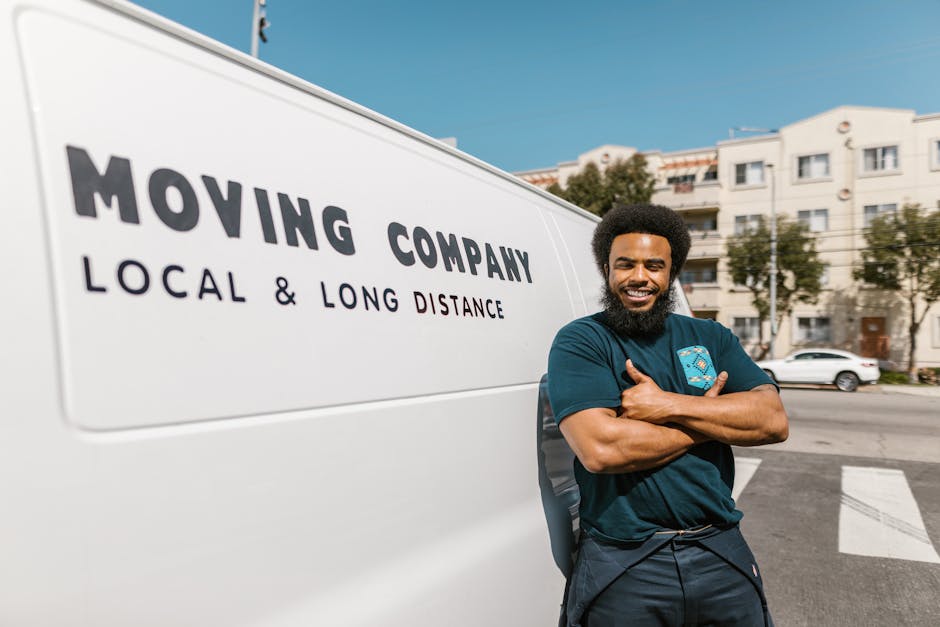
Hackney Council permits for moving vans in Shacklewell: what you need to know before moving day
Moving in Shacklewell can feel simple on paper and then turn oddly complicated the moment a van needs to stop outside your building. Narrow roads, parked cars, busy corners, and a neighbour who swears they will "just be five minutes" can all slow things down. That is where Hackney Council permits for moving vans in Shacklewell become important. They are not just a box-ticking exercise; they can be the difference between a smooth move and a stressful morning with flashing hazards on and everyone looking at the clock.
In this guide, we'll walk through what the permit process usually means in practice, why it matters locally, how to plan around it, and what mistakes people tend to make when they assume "it'll be fine." We'll also cover moving-day checks, a practical comparison of options, and a checklist you can actually use. If you're relocating a flat, a family home, student items, or a few bulky bits of furniture, this should help you move with less faff and fewer surprises.
Why Hackney Council permits for moving vans in Shacklewell matters
Shacklewell sits in that classic London zone where roads can look perfectly manageable from a distance and then become awkward as soon as a van pulls up. Parking space is tight. Traffic can come in fits and starts. Delivery vehicles, trades vans, and local residents all compete for the same bits of kerb. So if you are organising a move, permits are not just admin; they are part of the access plan.
The main reason this matters is time. A van left circling the block because there is nowhere legal to stop can waste a surprising amount of it. That can mean extra labour charges, delayed loading, awkward stairwell waits, and a rushed move that leaves you sweating before lunch. Nobody wants that. Truth be told, most moving day headaches in dense London streets start with access problems, not with the boxes themselves.
There is also the matter of respect for the neighbourhood. If a vehicle blocks residents, disrupts traffic flow, or sits where parking restrictions apply, you may end up with complaints or penalties. Even if you are only moving for a few hours, local rules still matter. And yes, they matter more when the street is narrow, the bay is already occupied, or the loading spot you were counting on is not actually available.
For people handling a move in the area, this also connects to the broader planning process. A good moving plan is not just "book van, pack boxes, hope for the best." It often includes route timing, access checks, van size choice, and sometimes a little extra patience. If you want a fuller picture of how local moves are handled, the team's services overview is a useful starting point, especially when you are comparing support levels for different move sizes.
How Hackney Council permits for moving vans in Shacklewell works
In plain English, a moving van permit is usually about making lawful use of road space or parking space for loading and unloading. The exact setup can vary depending on location, the type of vehicle, the time of day, and whether the street has restrictions already in place. You should always assume that a quiet-looking road still has rules. It usually does.
In practice, the process often involves identifying where the van needs to stop, checking whether that location is subject to waiting restrictions, and arranging the proper permission or dispensation if needed. Some streets may have controlled parking zones, single yellow lines, double yellow lines, resident bays, or limited loading allowances. That sounds complicated, and sometimes it is. But once you break it down into "where is the van going to stand, for how long, and under what conditions," it becomes easier to handle.
For a standard home move, the important part is not just getting a permit. It is getting the right permit or arrangement for the specific street and move window. A permit that covers the wrong bay, the wrong time, or the wrong vehicle size will not save you much when everyone is standing by with mattress covers and tape in their hands.
It helps to build your move backwards from the access point. Start with the building entrance, then the street outside, then the vehicle, then the timing. That order sounds simple, but it stops a lot of confusion. If your home is in a flat above ground level, you may also want to pair this with a move plan that reduces waiting time inside the property. Our flat removals in Shacklewell page is relevant if you are working with stair-heavy access and limited roadside space.
One more practical point: if you are moving at short notice, same-day access options can become very helpful, but only if the street setup allows the van to work efficiently. That is where a local same-day team and permit awareness go hand in hand. More on that later.
Key benefits and practical advantages
Permit planning is not glamorous, but it pays off. In a local move, the benefits are mostly about reducing friction. And when moving day friction is reduced, everything else feels calmer, from loading the sofa to finding the kettle box when you finally land in the new place.
- Less risk of delays: The van can stop where it is expected to, rather than cruising in circles.
- Better safety: Fewer last-minute stops mean less pressure around footpaths, doorways, and traffic.
- More efficient loading: A good stopping point shortens carry distance and can reduce handling time.
- Lower stress: It is much easier to stay composed when the access plan is settled before arrival.
- Fewer surprise costs: Avoiding waiting-time headaches can help keep the job closer to the agreed plan.
There is also a quieter benefit that people sometimes overlook: permits help create a more professional move overall. If the van is parked correctly and the team can work without awkward repositioning, the whole day tends to feel more organised. Boxes get in faster. Furniture gets wrapped properly. You are not trying to shift a wardrobe while a delivery driver is beeping behind you. Small thing, but not really small.
That is especially useful if you are moving valuable or awkward items. For example, if you are also handling protective wrapping for upholstered furniture, it is worth reviewing sofa protection during extended storage alongside the access plan. A permit gets the van in place; careful packing protects the items once they are being moved.
Who this is for and when it makes sense
Not every move needs the same level of access planning, and that is where good judgement matters. A small carry from a ground-floor studio with easy street access is one thing. A two-bedroom flat on a busier road with limited stopping space is another story entirely.
You are more likely to need permit planning if you are:
- moving from or to a flat on a busy road;
- using a larger removal van rather than a small car-derived vehicle;
- moving during peak traffic times;
- dealing with narrow streets, parked cars, or awkward corners;
- handling heavy furniture or white goods that should not be carried too far;
- moving on a deadline, such as end-of-tenancy day or student move-in weekend.
Students, renters, first-time buyers, landlords arranging tenancies, and small office movers all face similar access issues, just in different forms. A student move might involve a few bags, a desk, and a bed frame. A landlord turnover might involve short turnaround and strict timing. An office move could mean multiple trips and a van waiting outside while computers are shifted carefully. Different jobs, same basic issue: where can the van stop, and for how long?
If you are specifically relocating to or from a compact property, local help can make a real difference. The student removals in Shacklewell page is useful for smaller, faster moves where timing and parking matter just as much as lifting.
And if you are still comparing the general moving routes available in the area, you might also want to look at man with a van in Shacklewell and man and van Shacklewell. Those services are often chosen for precisely this kind of local access challenge.
Step-by-step guidance
Here is a practical way to approach Hackney Council permits for moving vans in Shacklewell without overcomplicating things. Think of this as your moving-day map. Not a legal lecture. Just a sensible sequence.
-
Check the exact pickup and drop-off locations.
Write down the full address details and note the road conditions. Is there a bay outside? Is it single yellow, double yellow, or free parking that fills up early? A five-second look on site often saves a lot of confusion later.
-
Estimate the van size and parking footprint.
A small van and a long-wheelbase removal van are not the same thing. The larger the vehicle, the more important it is to plan where it will stand. For tighter streets, this is often the make-or-break point.
-
Decide whether loading access needs permission.
If the van will occupy a restricted bay or wait in a controlled street, you may need a permit or special arrangement. This is where many people guess. Better not to guess. A wrong assumption can throw off the whole timetable.
-
Build in a realistic time window.
Moving always takes longer than the most optimistic version of your brain thinks it will. Add buffer time for stairs, traffic, and a stubborn sofa that suddenly does not want to turn the corner.
-
Match the permit or access plan to the moving crew schedule.
Your van, helpers, and access window need to line up. If one part starts early and another starts late, the whole job becomes more awkward than it should be.
-
Prepare the property so loading is quick.
Clear hallways, label boxes, dismantle beds if needed, and protect fragile items. For bed frames in particular, a bit of prep helps a lot; this is where DIY bed and mattress moving tips can be handy.
-
Confirm the day-before basics.
Check contact details, access notes, parking restrictions, weather, and whether any building work or road activity may affect the stop point. A tiny snag in the morning can become a big one by 10 a.m.
If the move is likely to be heavy, do not be heroic. If you need a refresher on safer lifting mechanics, the article on lifting large loads by yourself is worth a read before you start shifting awkward items around a van.
Expert tips for better results
There are a few small habits that tend to make the biggest difference. None are fancy. They just save time, which is exactly what you want on moving day.
- Visit the street at the same time of day as the move. Morning parking conditions can be very different from mid-afternoon conditions.
- Use one person as the access lead. When everyone is giving directions, chaos creeps in. One calm person calling the shots is enough.
- Protect the route, not just the item. Door frames, stair rails, and tight corners matter just as much as wrapping the furniture.
- Keep a loading kit close to hand. Tape, labels, gloves, a marker, and a knife should not be buried under six unrelated boxes.
- Choose the smallest workable vehicle. Bigger is not always better in Shacklewell. Sometimes a more compact van is simply easier to place legally.
Here is a slightly unglamorous but very real tip: if the road is tight, think about your neighbours and the pedestrian flow too. People still need to get by with prams, shopping, dogs, and coffee in hand. A considerate plan makes the move easier and reduces the chance of someone stepping out in the middle of your loading run with a face like thunder.
If you want to reduce pre-move chaos, it can also help to declutter before anything gets loaded. The declutter before moving guide is a practical companion piece, especially if you are trying to keep the van load as efficient as possible.
And if you are trying to keep the whole process mentally manageable, there is value in slowing down a touch. A steadier pace usually beats a frantic one. For a calmer approach, see a zen approach to relocating without the stress. Slightly cheeky title, yes, but the advice is solid.
Common mistakes to avoid
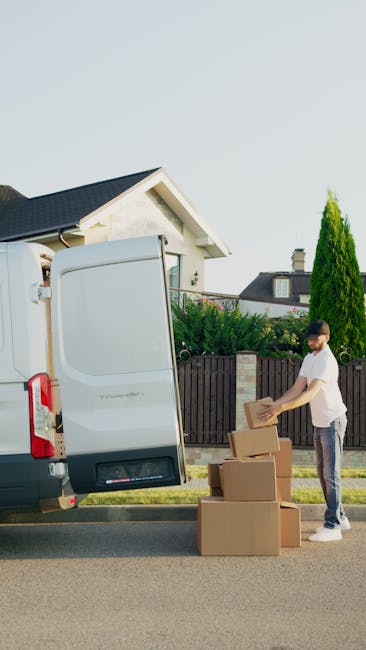
Most problems are avoidable. That is the annoying part. A lot of moving stress comes from decisions made too late or based on guesswork. Here are the mistakes that crop up again and again.
- Leaving access planning until moving morning. By then, your options are much thinner.
- Assuming a van can "just stop for a minute." In restricted streets, a minute can still be a problem.
- Booking the wrong vehicle size. Too small means multiple trips; too large may be hard to place legally.
- Ignoring building access. The outside permit is only half the story if the lift is out or the stairs are awkward.
- Not checking for bulky furniture issues. Sofas, wardrobes, and beds often need extra handling and sometimes a different removal approach.
One mistake people make quite often is underestimating how much time a bulky item takes to turn through a tight hallway. A sofa that looked fine in the lounge can become the main character in a very stubborn little drama at the front door. If that sounds familiar, bulky waste and sofa disposal in Shacklewell gives useful context for dealing with oversized items that are difficult to move or remove.
Another one: not planning for storage if move-out and move-in timings do not align. When there is a gap between addresses, short-term storage can help keep the rest of the plan calm. The page on storage in Shacklewell is a good reference point if you think there may be a timing gap.
Tools, resources and recommendations
You do not need a van full of gadgets to move well, but a few simple tools make access and loading much easier. Most of them are basic. The magic is in using them early, not at the last minute.
- Printed move plan: Having addresses, times, contact notes, and access details on paper can be a lifesaver if your phone battery runs low.
- Labelling system: Colour-coded stickers or large marker labels help boxes reach the right rooms faster.
- Furniture blankets and wrap: Good for preventing scrapes on tight corners and stairwells.
- Trolley or sack truck: Especially useful for heavy boxes and appliances where the route allows it.
- Basic toolkit: Allen keys, screwdrivers, tape, zip bags for bolts, and a torch.
For packing itself, the guide on packing efficiency for a seamless house move is a sensible companion. It helps you keep the load manageable and means less scrambling when the van arrives.
If you are moving furniture in particular, you may also find the dedicated furniture removals in Shacklewell page useful. That becomes especially relevant when you are dealing with items that need protective handling rather than just a basic carry-out.
And if you are comparing service types more broadly, the removal services in Shacklewell and removals in Shacklewell pages can help you decide what level of support makes sense for your situation.
Law, compliance, standards, or best practice
It is worth saying this carefully: permit and parking arrangements can change, and the exact requirements depend on the street, the vehicle, and the type of activity taking place. So while there are common UK moving practices, you should treat local access planning as something to confirm rather than assume.
From a compliance point of view, the key principles are straightforward even if the admin is not. Do not block traffic unlawfully. Do not park where restrictions apply unless appropriate permission is in place. Do not create unsafe loading conditions. And do not rely on "it was only for a few minutes" as if that somehow makes a restriction disappear. It does not, unfortunately.
Good practice also means thinking about health and safety. A secure loading area reduces risk for the crew, the customer, pedestrians, and the goods being moved. If you are hiring movers, it is sensible to understand how they approach safe lifting and vehicle loading. The site's health and safety policy and insurance and safety information are relevant for that reason.
For customers comparing operators, transparency also matters. Clear terms, fair pricing, and a straightforward complaints route build trust. The articles and policy pages on terms and conditions, pricing and quotes, and complaints procedure are useful if you want to understand what a professional moving process should look like.
In short, the standard is simple: plan the stop, keep the area safe, and move in line with local parking rules. That is the best practice, and it is usually the least stressful route too.
Options, methods, or comparison table
People usually tackle moving access in one of three ways. Some plan it themselves. Some ask the mover to handle the access side. Some use a mixed approach. Which one is best? It depends on how confident you are and how difficult the street is.
| Approach | Best for | Pros | Trade-offs |
|---|---|---|---|
| DIY access planning | Simple moves, familiar streets, smaller vans | More control, can be cheaper, flexible | Easy to miss parking details or timing issues |
| Mover-managed access | Busy roads, awkward bays, larger household moves | Less stress, more experience, fewer surprises | May cost more, and you still need to provide accurate info |
| Mixed approach | Typical local moves where you want control but need guidance | Balanced cost and convenience | Requires good communication between you and the movers |
In many Shacklewell moves, the mixed approach is the sweet spot. You gather the building and street details, the mover advises on vehicle size and access, and the final plan is adjusted before the day. It is practical, not flashy, but it works.
For quick local comparisons, the pages on same day removals in Shacklewell, removal van Shacklewell, and removal companies in Shacklewell may help you compare service styles when time and access are both in play.
Case study or real-world example
Imagine a renter moving from a first-floor flat near a busy Shacklewell road to a new place a short drive away. On paper, it is a small move. But the street outside the old flat has limited stopping space, a fairly tight turning area, and resident parking that fills early. There is also a sofa that absolutely refuses to behave around corners. Classic.
Instead of sending the van in blind, the move is planned around the likely loading point. Boxes are packed the day before. The bed is dismantled. The main seating is wrapped. The move starts a little earlier than originally hoped so the van can load before the road gets busier. Because the access point is thought through, the crew does not waste time hunting for a legal stop. The load is completed without the kind of on-street shuffle that makes neighbours stare out of their windows.
The practical payoff is not just speed. The renter arrives at the new flat less frazzled, the furniture is in better condition, and there is still energy left to deal with the first-night essentials. Kettle. Bedding. Phone charger. The things that save your sanity.
This is also why local guides like Shacklewell road moving tips for narrow streets and Shacklewell N16 flat removals average costs explained can be useful when you are trying to predict how access and property type will affect the move.
If the move is especially urgent, you may also want to look at urgent same-day man with a van in Shacklewell. Short-notice moves are always tighter on time, so access planning becomes even more valuable.
Practical checklist
Use this checklist a day or two before moving. It is the kind of thing that saves you from those "oh no, we forgot..." moments.
- Confirm the exact addresses for both properties.
- Check road type, parking restrictions, and likely stopping points.
- Decide whether you need a permit or other access arrangement.
- Choose the right van size for the load and the street.
- Tell the mover about stairs, lifts, narrow hallways, and heavy items.
- Pack and label boxes clearly.
- Dismantle beds, mirrors, and large furniture where needed.
- Protect sofas, mattresses, and fragile items properly.
- Set aside tools, keys, documents, and chargers.
- Keep the move window realistic, with some buffer time.
- Check weather and any local disruptions on the day before.
- Have a backup plan if the road is temporarily blocked.
If you are still deciding how much of the move you want to handle yourself, the pages on packing and boxes in Shacklewell and house removals in Shacklewell can help you think through the workload before you commit.
Get a free quote today and see how much you can save.
Conclusion
Hackney Council permits for moving vans in Shacklewell are really about one thing: making sure your van can do its job without unnecessary delay or risk. If the street access is right, the loading is calmer, the move is faster, and the whole day feels more controlled. If the access is wrong, everything gets harder than it needs to be. It's that simple, even if the paperwork around it is not.
The best approach is usually to plan early, check the road conditions carefully, and match the vehicle and timing to the space outside your property. Add sensible packing, realistic timing, and clear communication, and you have a much better chance of a move that feels steady instead of frantic. Not perfect, because real life rarely behaves that neatly, but definitely better.
And honestly, that little bit of preparation can change the whole mood of the day. One fewer headache. One smoother carry. One less thing to worry about while you are trying to remember where you packed the mug with the blue handle.
If you want to go a step further, the best next move is to pair your access plan with the right local moving support, so the day is planned around the street rather than fought against it.