Shacklewell rubbish disposal rules (Hackney Council fines)
Posted on 12/07/2026
![Close-up view of a pile of crushed aluminum cans, including recognizable brands such as Coca-Cola, with some cans partially flattened and others still round, arranged on a surface likely within a household or waste disposal area. The cans show various colors, predominantly red, silver, blue, and black, with some metallic reflections. The scene depicts the recycling or disposal process, which could be part of a home clearance or moving logistics involving waste separation. This image is relevant to house removals and packing procedures handled by [COMPANY_NAME], highlighting the importance of proper waste management during property relocation. The background suggests an indoor environment, possibly a kitchen or storage space, with minimal additional context visible.](/pub/blogphoto/shacklewell-rubbish-disposal-rules-hackney-council-fines1.jpg)
Shacklewell rubbish disposal rules (Hackney Council fines): what residents need to know before putting anything out
If you live in Shacklewell, rubbish can become a lot more complicated than a quick bin-bag trip to the kerb. Miss a collection, leave waste in the wrong place, or put out bulky items without the right arrangement, and you could end up dealing with Hackney Council fines instead of a tidy front step. This guide on Shacklewell rubbish disposal rules (Hackney Council fines) breaks the subject down in plain English, so you can stay compliant without making your week harder than it needs to be.
Whether you are clearing out after a flat move, handling end-of-tenancy waste, or just trying to avoid that embarrassing pile-up by the bins, the basics matter: what can go out, when it can go out, how it must be presented, and what counts as fly-tipping or blocked access. Let's face it, one sloppy decision can cost more than the rubbish is worth.
In the sections below, you'll find a practical explanation of the rules, the common mistakes that trigger penalties, a step-by-step approach for disposing of waste properly, and a few real-world tips that make the whole thing easier. If you are moving as well, it may also help to look at how to declutter before moving and the advice in bulky waste and sofa disposal in Shacklewell, because waste issues and removals often overlap more than people expect.
- Why the rules matter
- How rubbish disposal works in practice
- Key benefits of doing it properly
- Who needs this guidance
- Step-by-step guidance
- Expert tips
- Common mistakes to avoid
- Tools, resources and recommendations
- Law, compliance and best practice
- Options and comparison table
- Real-world example
- Practical checklist
- Conclusion
- Frequently asked questions
Why Shacklewell rubbish disposal rules (Hackney Council fines) Matters
Rubbish rules are not just about keeping the street looking neat, though that matters too. In a dense part of London like Shacklewell, waste that is left out badly can block pavements, attract pests, create fire risk in communal areas, and make life awkward for neighbours, delivery drivers, and bin crews. That is before you even get to enforcement.
Hackney Council can issue penalties where rubbish is dumped incorrectly, left out at the wrong time, or placed in a way that causes nuisance or obstruction. The exact penalty can depend on the type of offence and the circumstances, so it is wise not to assume the worst-case number is the only one. Still, the risk is real, and people often only take it seriously after seeing a warning notice or a fine through the door. Not ideal. At all.
This matters especially in Shacklewell because many homes are flats, conversions, or tight terrace properties with limited storage and narrow access. A small mistake becomes visible very quickly. One overflowing bag on a busy pavement can turn into an issue within hours, not days. If you are planning a move, that pressure rises again, which is why local move planning and disposal planning should happen together.
For that reason, understanding rubbish disposal rules is less about memorising council jargon and more about avoiding hassle. It helps you protect your pocket, keep good relations with neighbours, and avoid the kind of last-minute scramble that makes a perfectly normal move feel like a small disaster. If you are already juggling a clearance, a lift issue, or a narrow street, the practical guidance in Shacklewell Road moving tips for narrow streets can be useful as well.
How Shacklewell rubbish disposal rules (Hackney Council fines) Works
The basic idea is simple: household waste should be presented in the right containers, at the right time, and in the right place. Anything outside that routine can create a compliance problem. The council and its waste contractors rely on predictable collection points, safe access, and clear separation between general waste, recycling, food waste, and bulky items.
In practice, the rules usually touch on a few recurring areas:
- Collection timing: bins and authorised waste must go out according to the local schedule, not whenever it is convenient.
- Presentation: waste should be bagged, secured, and placed where crews can access it safely.
- Use of communal spaces: hallways, landings, and shared entrances are not dumping spots.
- Bulky items: sofas, mattresses, appliances, and furniture need a proper disposal route rather than a casual leave-on-the-street approach.
- Fly-tipping risk: putting waste beside full bins or leaving items out without permission can be treated as illegal dumping.
What catches people out is that a bag of rubbish can stop being "just a bag" the moment it is left in the wrong place. A folded mattress in a communal hallway, a box of renovation offcuts by the front wall, or an unlabeled pile of garden waste can all cause issues. And yes, it can happen on a quiet Tuesday morning, when you think nobody's watching. Somebody usually is.
For bulky items, the safest route is usually to arrange a legitimate collection or use an authorised disposal method. If you are dealing with old furniture, the local advice on bulky waste and sofa disposal in Shacklewell may help you plan the right next move. If the waste comes from a larger clear-out, pairing that with a move-out clean plan can stop things spiralling near the end.
Key Benefits and Practical Advantages
Following the rules is not only about avoiding fines. It has a few very real advantages that people feel straight away, often within the first week of organising their waste properly.
1. Lower risk of penalties and warnings. This is the obvious one, but it is worth saying. If your waste is handled properly, there is less chance of an enforcement issue, complaint, or warning letter.
2. Faster, cleaner clear-outs. Once you know where things should go, you can sort waste more efficiently. That matters during house moves, student move-outs, and flat clearances, especially when time is tight.
3. Better neighbour relations. Nobody loves stepping around an untidy bin area, and nobody wants to be blamed for the smell or mess. A good system keeps the peace.
4. Safer shared spaces. Hallways and entrances stay clear, which is especially important in blocks with prams, mobility aids, or frequent foot traffic.
5. Less last-minute stress. Truth be told, most disposal problems are planning problems. Deal with waste early and the rest of the job feels lighter.
A lot of people also find that getting waste sorted early makes packing easier. There is less to move, less to clean around, and fewer "why is this still here?" moments at 9 p.m. the night before moving day. That is where planning links naturally with practical moving advice, like the ideas in packing efficiency for a seamless house move and a zen approach to relocating without the stress.
Who This Is For and When It Makes Sense
This guidance is for anyone in Shacklewell who has household waste, bulky waste, or move-related rubbish to deal with. That includes renters, landlords, students, families, and small businesses that generate low-volume waste but still need to stay tidy and compliant.
It makes particular sense if you are in one of these situations:
- moving out of a flat and clearing old furniture or boxes
- replacing a sofa, bed, or wardrobe
- emptying a loft, spare room, or storage cupboard
- dealing with builder's waste after a small home project
- sharing a property where bin storage is already tight
- managing a same-day clearance where timing is messy
Students in particular can get caught out because move-out week has a habit of creating more waste than expected. Boxes, broken hangers, old bedding, food leftovers, packaging, and a random lamp that nobody wants to claim. If that sounds familiar, the advice on student removals in Shacklewell may help with planning around the rubbish as well as the furniture.
It also matters if you are coordinating removals and waste at the same time. A removal team can shift belongings, but they should not be assumed to be an automatic rubbish-disposal service unless that has been clearly arranged. That misunderstanding causes more stress than you'd think.
Step-by-Step Guidance
If you want to avoid fines and do things properly, the easiest path is to break waste handling into clear stages. No heroics needed.
- Sort everything into categories. Separate general waste, recycling, reusable items, electricals, furniture, and anything sharp or hazardous. Be strict here; "miscellaneous" is where problems hide.
- Check what can go in normal bins. Light household rubbish and approved recycling can usually be handled through your regular collection system, but do not overfill bins or block access.
- Bag and secure loose waste. Torn sacks, spill-prone food waste, and loose packaging are invitations for mess and complaints.
- Keep communal areas clear. Do not leave items in hallways, beside front doors, or on shared steps while "waiting for a moment." That moment can become an offence.
- Arrange bulky waste properly. Sofas, mattresses, and large furniture need an approved route. If you are unsure, check the relevant disposal option before you move the item outside.
- Time the disposal carefully. Put waste out only in the permitted window. Early placement can be treated like abandonment in the wrong setting.
- Take photos if needed. If you have made a legitimate arrangement, a quick photo can help show what was placed out and when. A small thing, but useful.
A practical example: if you are clearing a one-bedroom flat and have two bin bags, a broken chair, and a mattress, the bags may go through the normal system if permitted, while the larger items should be handled separately. Do not lump everything together and hope for the best. That rarely ends well.
If lifting or moving the items is part of the problem, it can help to review safe handling advice first. The article on lifting large loads by yourself is a sensible read before you start dragging heavy rubbish down stairs at an awkward angle. Been there, regretted it.
Expert Tips for Better Results
Here is the stuff people often learn the hard way. You do not need to make the job perfect, but a few small habits can make it a lot safer and cleaner.
Start disposal planning before moving day. If you wait until the van arrives, the rubbish suddenly looks twice as big. That's normal, oddly enough. Early sorting always feels easier.
Use reusable bags or boxes for sorting. It keeps the process tidier and reduces accidental spills. It also helps if you need to move items between rooms.
Keep reusable items separate from waste. What looks like rubbish to you might still be useful to someone else. Donate, sell, or pass it on where possible. Reuse is good sense, and it cuts volume fast.
Check access before placing anything out. In Shacklewell, narrow pavements and shared entrances can make even a small pile awkward. A tidy spot is not enough if it blocks the route.
Do not assume a neighbour's arrangement applies to you. One flat may have a special collection or a building manager's agreement. Yours may not. Similar building, different rules. It happens all the time.
Use storage if timing is messy. Sometimes the honest answer is to hold a few items temporarily rather than forcing a bad disposal decision. The guidance on storage in Shacklewell can be helpful if your move and clearance dates do not quite line up.
If you're moving furniture as well as clearing rubbish, the best results usually come from treating both tasks as one plan. That is why pages like furniture removals in Shacklewell and packing and boxes for Shacklewell moves can be useful alongside the disposal side.
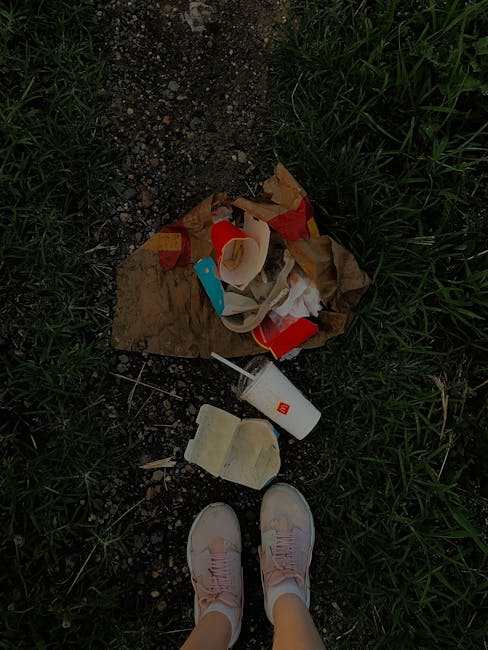
Common Mistakes to Avoid
Most fines and complaints come from the same handful of mistakes. Knowing them in advance is half the battle.
- Leaving waste outside too early. Even neat bags can become a problem if they sit out for too long.
- Blocking bin stores or entrances. This is a classic issue in flats and communal housing.
- Mixing bulky items with normal rubbish. It can make collection impossible and may be treated as improper disposal.
- Ignoring recycling separation. Mixed waste is slower to clear and more likely to cause trouble.
- Dumping items "for a minute." That phrase has caused more problems than it deserves. A minute is all it takes.
- Assuming someone else will deal with it. Landlords, cleaners, movers, and neighbours all get dragged into these situations when the plan was never clear.
One of the less obvious mistakes is underestimating timing on narrow roads and busy streets. If a collection window is tight, and your removal van is also due, a small delay can cascade into a bigger mess. For local logistical headaches, Hackney Council permits for moving vans in Shacklewell and what to do when lifts fail in Shacklewell flats are worth reading because disposal issues often sit right next to access problems.
Tools, Resources and Recommendations
You do not need specialist kit to handle rubbish properly, but a few simple tools make life much easier.
- Strong rubble sacks and bin bags: useful for safe, tidy sorting.
- Labels or marker pens: handy when you are separating items for recycling, donation, and disposal.
- Gloves: especially useful for broken packaging, dusty clear-outs, or awkward bin store areas.
- Strapping or tape: keeps loose cardboard and flat-pack parts under control.
- Basic trolley or hand truck: helpful if you are moving several heavy bags or boxes.
As for practical recommendations, the best one is not glamorous: do a first pass, then a second pass. The first sort is about obvious rubbish. The second sort catches the awkward leftovers, the random cables, and the chair with one leg missing. That second pass is where good decisions happen.
If you are comparing moving support options as part of a clearance, the overview at services overview and the local pages for man with a van in Shacklewell or man and van services in Shacklewell may help you plan the job more sensibly. Just remember: moving service and waste disposal are related, but not identical tasks.
Law, Compliance, Standards, or Best Practice
When people talk about rubbish disposal rules, they usually mean the combination of council collection rules, anti-fly-tipping enforcement, property access requirements, and basic duty of care around waste. In plain English, if it is your waste, you are responsible for making sure it goes where it should, in the condition it should, and through the right route.
Best practice in a place like Shacklewell usually includes:
- keeping waste contained and secure
- using approved collection points only
- avoiding obstruction in communal and public areas
- separating recyclable material where possible
- arranging bulky waste through a legitimate method
- keeping records or proof if you have paid for a collection or disposal service
There is also a practical side to compliance that people forget. If you share a building, your actions can affect other residents' right of way and the building's cleanliness. A bag left by the bins can be enough to trigger a complaint, especially where collection areas are already small. That is not just an admin issue; it becomes a community issue very quickly.
For anyone handling heavy, awkward, or high-value items, general safety rules matter too. The guidance in health and safety policy and insurance and safety can be useful context if your rubbish disposal overlaps with moving or lifting. Nobody wants a fine and a strained back in the same week. That would be a bit much.
Options, Methods, or Comparison Table
There is usually more than one way to deal with waste, and the right option depends on volume, timing, item type, and access. Here is a simple comparison to help you think it through.
| Method | Best for | Pros | Watch-outs |
|---|---|---|---|
| Regular bin collection | Day-to-day household waste and approved recycling | Simple, familiar, low effort | Must follow timing, bin capacity, and separation rules |
| Bulky waste arrangement | Furniture, mattresses, large household items | Suitable for awkward items and larger loads | Needs planning and correct placement |
| Reuse or donation | Clean, usable items | Reduces waste volume and can help others | Items must be suitable and collected or dropped off properly |
| Temporary storage | Moves with staggered dates or mixed clear-outs | Gives breathing space | Not a disposal solution on its own |
| Removal service with planned clearance | Moves where rubbish and belongings are intertwined | Efficient when coordinated well | Only works properly if disposal is agreed in advance |
For many Shacklewell residents, the best answer is a mix of methods. Keep the regular waste flowing, reuse what you can, and arrange a proper solution for anything bulky. That combination is usually the least stressful and the most sensible.
Case Study or Real-World Example
Here is a realistic local scenario. A tenant in a top-floor flat in Shacklewell is moving out on a Friday. They have six bin bags, two cardboard boxes full of mixed items, a broken desk, and a small sofa that has seen better days. The instinct is to leave it all downstairs "for the collection." Easy to say, awkward to do, and risky.
Instead, they split the task into three parts. First, they bagged normal waste and kept recycling separate. Second, they confirmed the bulky sofa needed a proper disposal route rather than just being placed beside the bins. Third, they arranged the furniture move and rubbish clear-out together so that nothing sat in the hallway overnight.
The result was calmer all round. The stairwell stayed clear, the neighbours were not annoyed by an obstruction, and the move-out finished without a last-minute argument about who was responsible for the abandoned desk. Small win, but a real one.
That kind of planning is common in tight London properties. If the lift fails, access is awkward, or a move is happening on the same day as a clean-out, the best outcome usually comes from slowing down a little and sequencing the tasks properly. For related moving context, Shacklewell N16 flat removals average costs explained and urgent same-day man with van in Shacklewell may help you think about timing and budget.
Practical Checklist
Use this checklist before anything goes outside. It is simple, but it catches the things people forget when they are tired or in a rush.
- Have I separated general waste, recycling, reusable items, and bulky waste?
- Are all bags sealed and easy to handle?
- Have I checked the collection day or disposal arrangement?
- Will anything block a hallway, gate, pavement, or bin store?
- Have I identified any items that need special handling?
- Do I have proof of a booked collection if needed?
- Have I planned for heavy lifting safely?
- Is there enough time for disposal before moving day?
- Do I know what should be reused, donated, or stored instead of thrown away?
- Have I done a final sweep of cupboards, under beds, and behind doors?
If you tick all ten, you are in a much better position. Not perfect. Better. And better is usually enough.
Conclusion
Shacklewell rubbish disposal rules are really about common sense made local: keep waste contained, place it properly, and do not let bulky items or loose rubbish turn into a public nuisance. Once you understand the basics, the whole thing becomes much easier to manage, and Hackney Council fines become something you actively avoid rather than something you worry about after the fact.
The smartest approach is to plan waste at the same time as moving, decluttering, and cleaning. That way, you are not dealing with a pile of unknowns at the end of the day when the stairs are dusty, the kettle is already packed, and everyone is a little fed up. If you need to keep the process smooth, the local guides on removals, packing, storage, and bulky items can make a real difference.
Get a free quote today and see how much you can save.
And if all you do after reading this is sort one extra bag properly, that is still progress. Sometimes that is how a calm move starts, one sensible decision at a time.
![Close-up view of a pile of crushed aluminum cans, including recognizable brands such as Coca-Cola, with some cans partially flattened and others still round, arranged on a surface likely within a household or waste disposal area. The cans show various colors, predominantly red, silver, blue, and black, with some metallic reflections. The scene depicts the recycling or disposal process, which could be part of a home clearance or moving logistics involving waste separation. This image is relevant to house removals and packing procedures handled by [COMPANY_NAME], highlighting the importance of proper waste management during property relocation. The background suggests an indoor environment, possibly a kitchen or storage space, with minimal additional context visible.](/pub/blogphoto/shacklewell-rubbish-disposal-rules-hackney-council-fines3.jpg)